Interpreting the Evidence
Field Archaeology, Bath, England – 2024

The Challenge
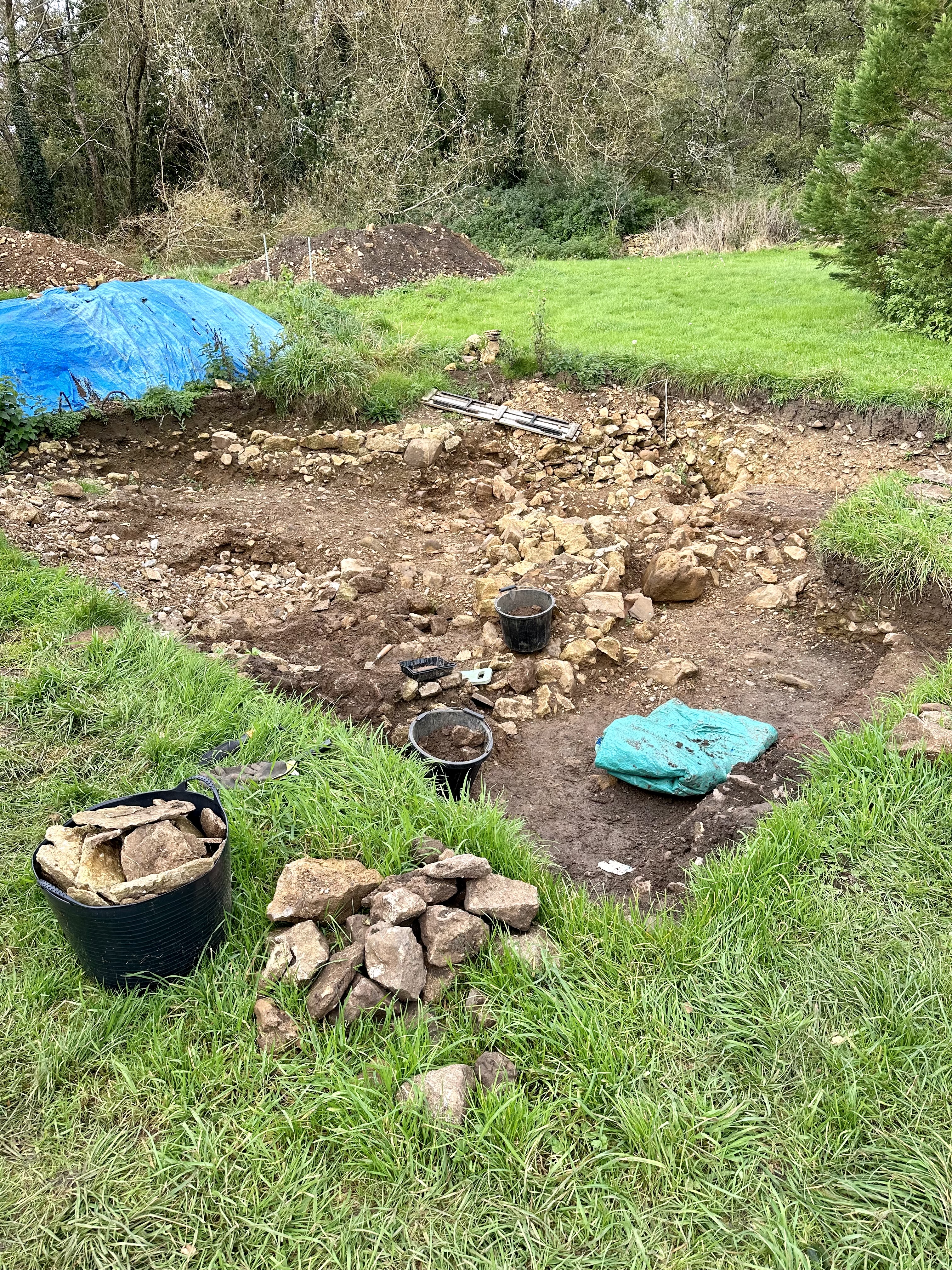
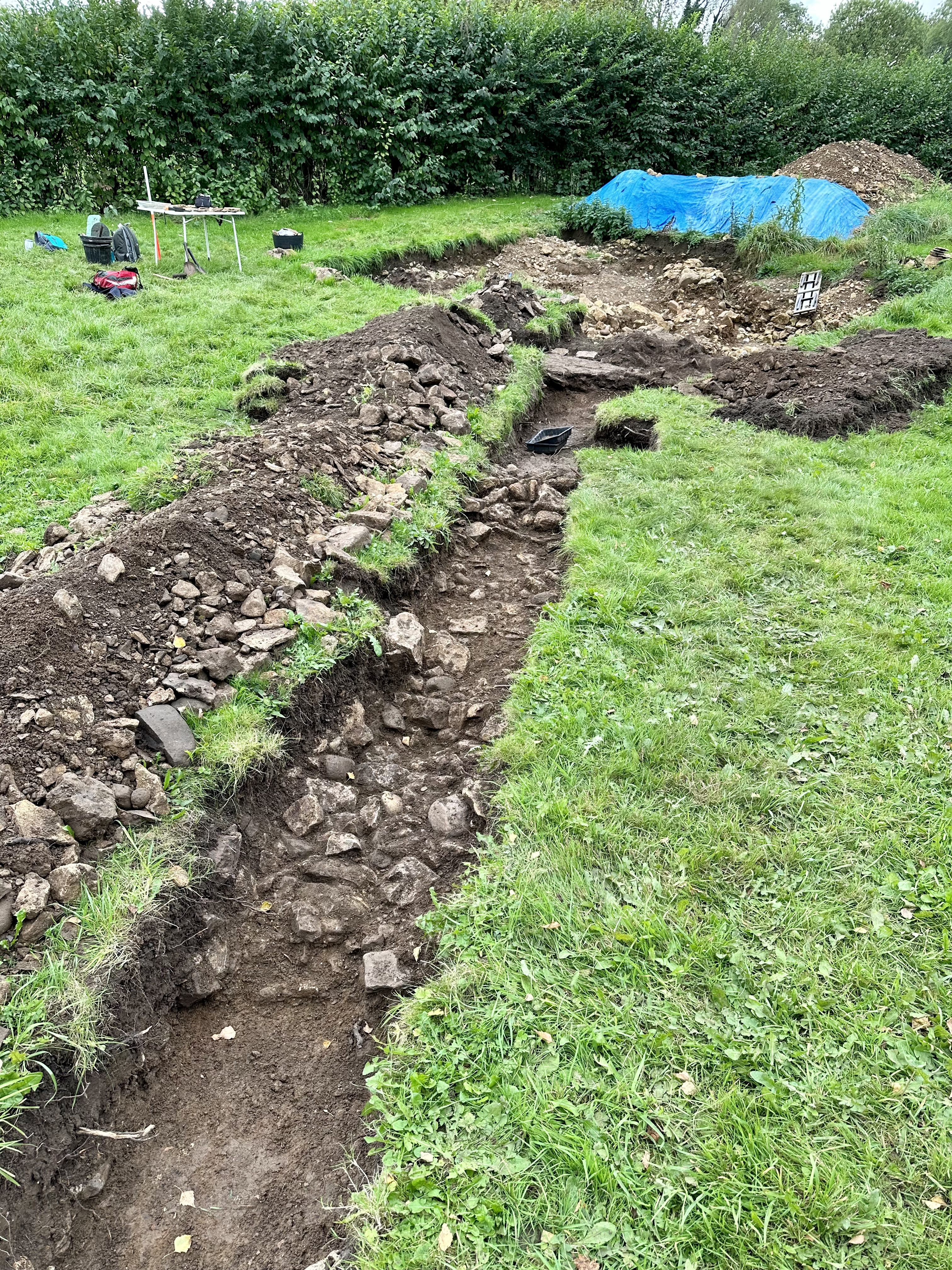
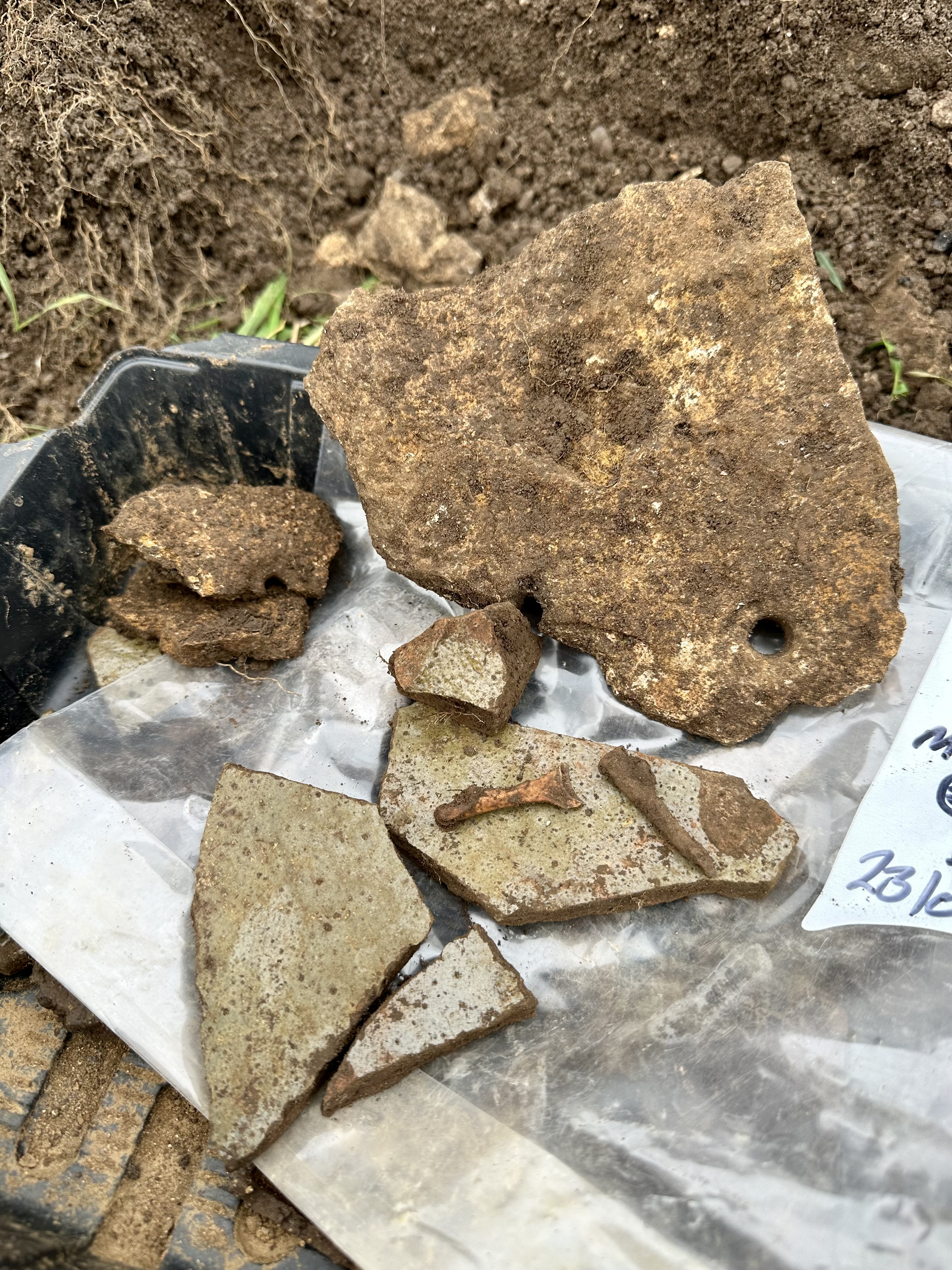
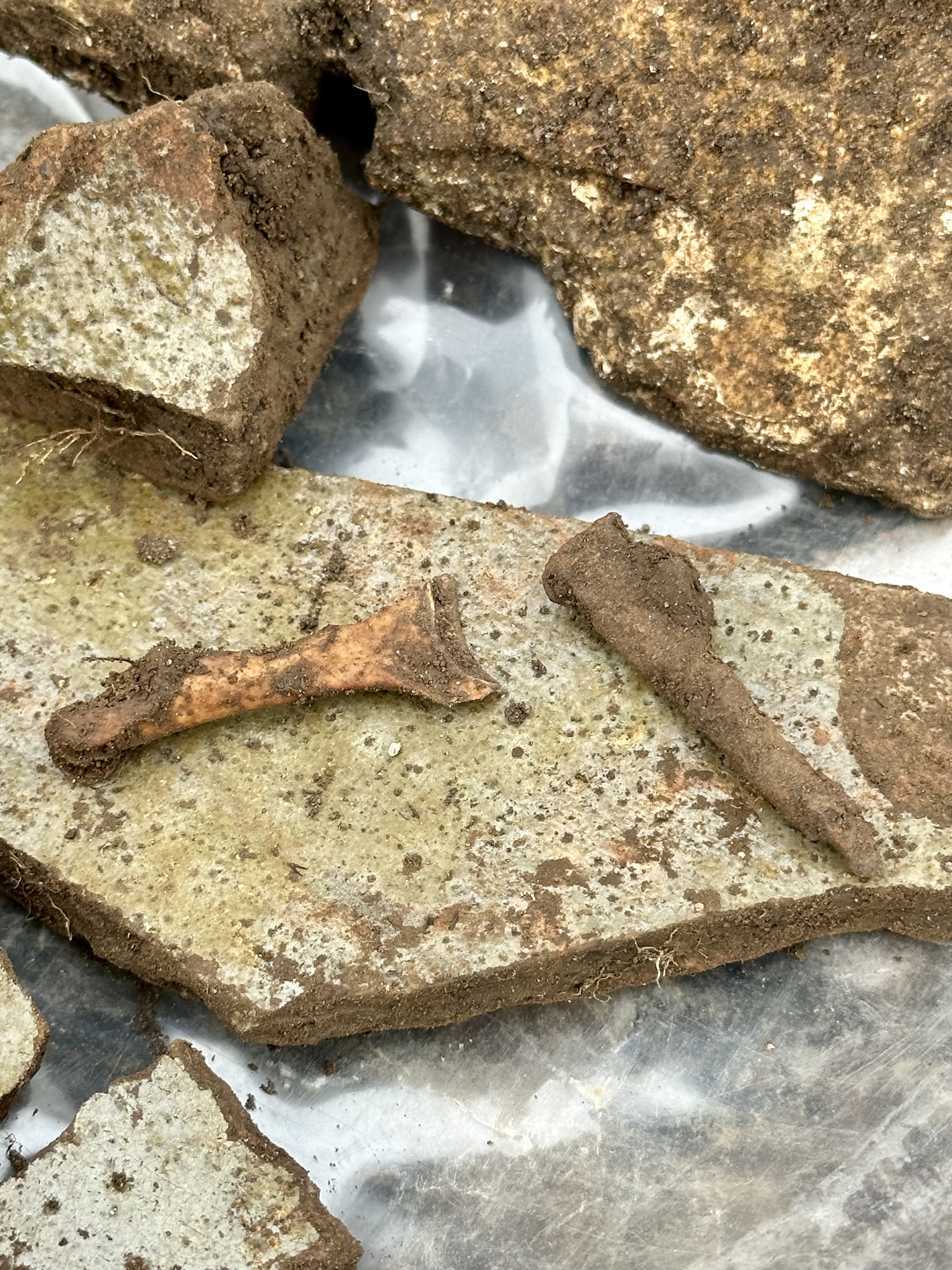
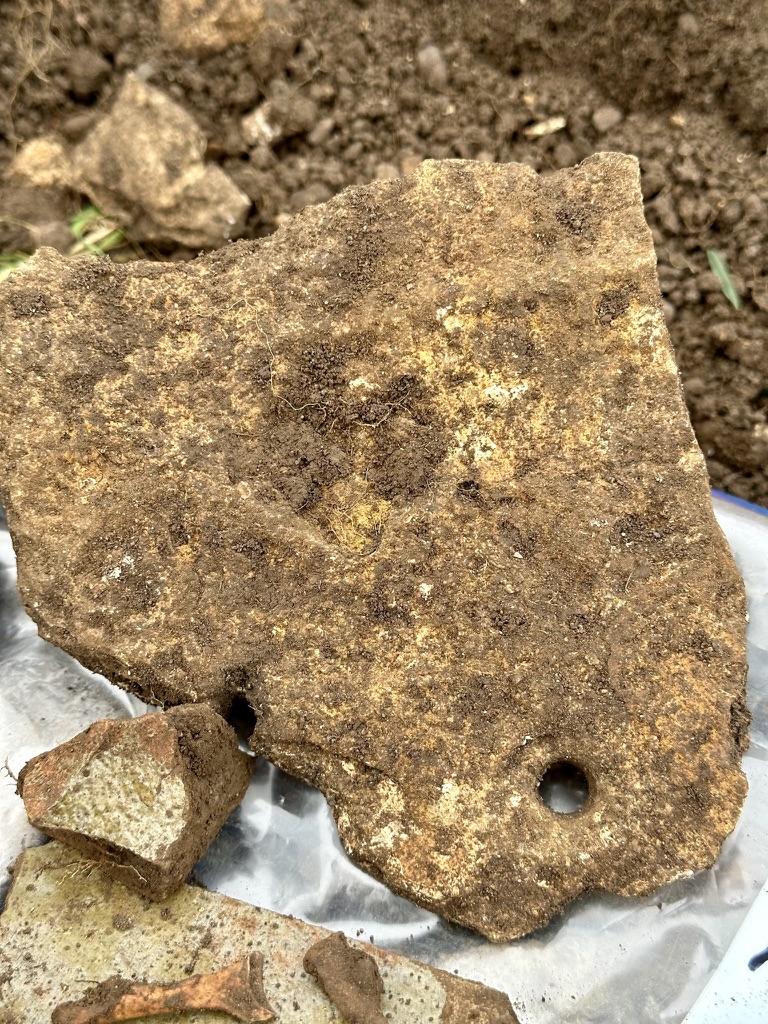
As a first-time participant on a real excavation, accurately interpret physical evidence – ceiling tiles, a fibula, the remains of a collapsed wall – well enough to identify what era it actually belonged to, even when that reading directly contradicted the dig's own on-site leadership.
The Approach
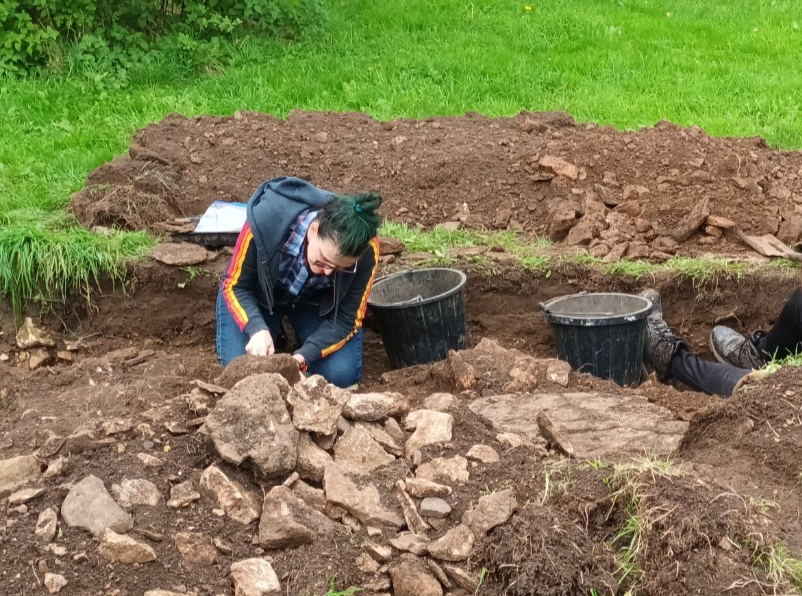
Choosing the place on purpose. England's amateur archaeology community is expansive and active, and the ground around Bath holds centuries of layered history – which is exactly why I chose it. Joining a dig had been a lifelong ambition: the chance to be one of the people who actually helps fill in the story of our collective past, not just read about it afterward. I joined the Bath Archaeological Society while on a year living as a digital nomad, and was able to take part in a live dig session, learning proper excavation procedure from scratch.
Trusting the pattern, but staying grounded. Everything I recovered – ceiling tiles, a fibula, a fallen wall – read to me as Roman-era, based on my amateur study. The dig's lead, a sweet, gently firm man, disagreed – the site had been classified as medieval and my finds seemed to support that. I didn't push my case hard. I was brand new to the discipline and didn't want to overstep.
Carrying the question forward anyway. Weeks later, on a private tour of the Pantheon in Rome, I mentioned the dig to the Roman Classicist professor leading the tour – Roman-era finds happened to be her specialty. She confirmed my original read: the site was Roman, not medieval. All these years of Time Team reruns finally had something to show for themselves.

Months after returning home, the Society's own newsletter confirmed the site had been officially reclassified as Roman – validating a read I'd made as a complete novice, largely thanks to a lifelong Time Team habit I have exactly zero plans of breaking.
The same trip included a private, 15-person walkthrough of the newly completed Bath Abbey Footprint Project, a four-year, ~£19.3 million archaeology-and-renovation initiative, led personally by its lead architect and archaeologist – a rare, close look at how a major heritage site gets interpreted for the public at the highest level.